

November Newsletter Article
Written by: Seanicaa Edwards Herron, Freedmen Heirs Foundation Executive Director
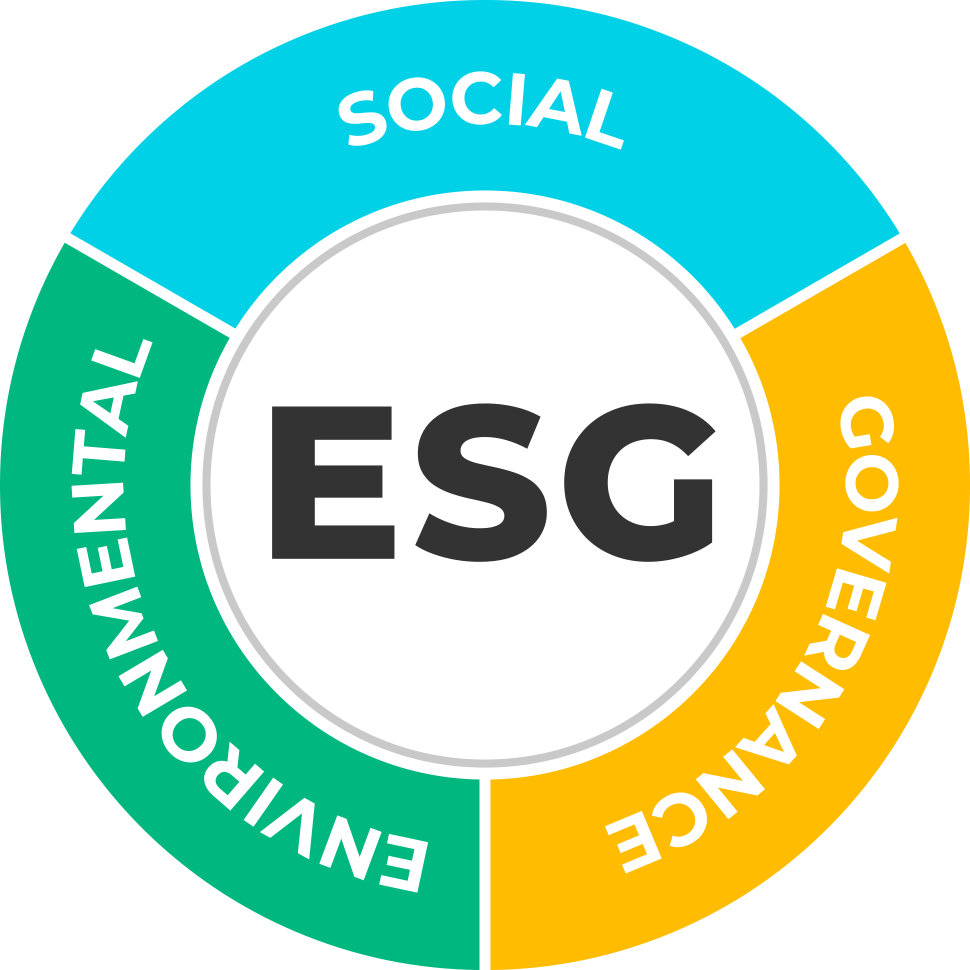
In recent years, the intersection of Environmental, Social, and Governance (ESG) criteria within agriculture has taken center stage in the quest for more equitable and sustainable farming practices. The question for minority farmers, who often face systemic barriers and unique challenges, is: Can ESG offer a framework for achieving not only environmental and economic viability but also social justice? This op-ed delves into the ways ESG can be harnessed to support minority farmers, promote equity, and drive sustainable change in agriculture.
Environmental Stewardship
The environmental aspect of ESG emphasizes sustainable agricultural practices. This component focuses on the need for equitable access to organic/regenerative inputs, soil conservation tools as well as water-efficient and climate-smart commodity technologies. Historically, minority farmers have had less access to the resources necessary to implement sustainable practices. Initiatives aimed at environmental equity can help narrow this gap, providing minority farmers with the means to farm sustainably while ensuring the longevity of their land.
Social Equity & Inclusivity
The social pillar of ESG allows the opportunity for the agriculture sector to address historical injustices and social disparities faced by minority farmers. This means advocating for fair labor practices, open access to markets and agribusiness supply chains, and equitable treatment by all agricultural institutions. By ensuring the integration of minority farmers into supply chains with a commitment to fair trade and social responsibility, agribusinesses can be accountable for fair and transparent compensation for agricultural products. Additionally, ESG principles should encourage investments in community development and education, providing minority farmers with the skills and networks needed to succeed and expand.
Governance
Governance in ESG seeks to ensure that the rules of the game are impartial to all participants. An important factor of effective governance is guaranteeing that minority farmers have a seat at the table where decisions are made. ESG-driven governance should include: advocating for fair representation in agricultural policymaking, enhancing transparency in land ownership and tenure rights, and verifying that minority farmers have equitable access to markets, capital and credit.
Through ethical governance, the agriculture sector can work toward dismantling systemic barriers that have long inhibited the growth of minority-owned farm businesses.
Overcoming Challenges with Targeted Strategies
ESG in agriculture, particularly for minority farmers, is not implemented without challenges. An example of this is the complexity of quantifying and reporting on ESG metrics, specifically for smaller producers. To overcome obstacles such as this, tailored strategies like culturally relevant educational programs, community outreach, and financial incentives are vitally important. Below are three strategies that could be implemented to overcome challenges.
1. Access to Capital: ESG Investments as a Catalyst.
Access to capital is a major hurdle for minority farmers. ESG-focused investing can provide a solution by directing funds toward businesses and projects that support these farmers. Financial instruments, such as social impact loans and ESG-compliant funds, can provide the necessary capital for minority farmers to invest in sustainable technologies, expand their operations, and transition to practices that meet ESG criteria.

2. Policy Advocacy: Shaping an ESG Compatible Regulatory Environment.
Advocacy is another powerful tool within ESG frameworks. By advocating for supportive policies, ESG proponents can help shape a regulatory environment that fosters the growth and sustainability of minority farming operations. This includes advocating for protections against predatory lending and legislation that supports rural infrastructure development.

3. Equity in Motion: Implementing ESG for Impact.
The potential of ESG to support minority farmers is clear, but realizing this potential requires deliberate action and collaboration across multiple sectors. Financial institutions, government agencies, NGOs, the private sector, and consumers all play a role in advocating for and implementing ESG principles that benefit minority farmers. By doing so, they not only contribute to a more equitable farming sector, but also support the broader goals of sustainable development and social justice.
Seanicaa’s Perspective
ESG has the potential to serve as a tool for overcoming systemic challenges, improving livelihoods, and contributing to the broader goals of environmental stewardship and social justice. However, as the agriculture sector evolves, it is imperative that ESG frameworks are designed and implemented with an eye toward equity and inclusivity, ensuring that all farmers, regardless of background, race, or socio-economic status, can reap the benefits of sustainable farming practices.